

Commercial Property Appraisal & Valuation in Toronto and the GTA

CUSPAP-compliant reports trusted by lenders, the CRA, and Ontario courts.

Send your property details and we will respond with a clear scope and fee within one business day.

Quick Response

+1 (437) 908-0098

    Commercial Appraisal · Toronto GTA

    Defensible Commercial Valuations from a Qualified Toronto Appraisal Team

    When the value of a commercial property is in question, the appraisal behind the number has to hold up. Lenders review it. Accountants rely on it. Assessment tribunals test it. Opposing counsel looks for weaknesses in it.

    That standard shapes everything we do at Innovative Property Solutions (IPS). We deliver commercial property appraisal services across Toronto and the Greater Toronto Area for property owners, investors, lenders, accountants, lawyers, and developers who need valuations they can act on.

    Our commercial practice spans office buildings, retail plazas, industrial facilities, multi-residential assets, mixed-use properties, and development land. Each assignment is handled by our valuation team, grounded in current market evidence, and prepared to the level of documentation the intended use demands.
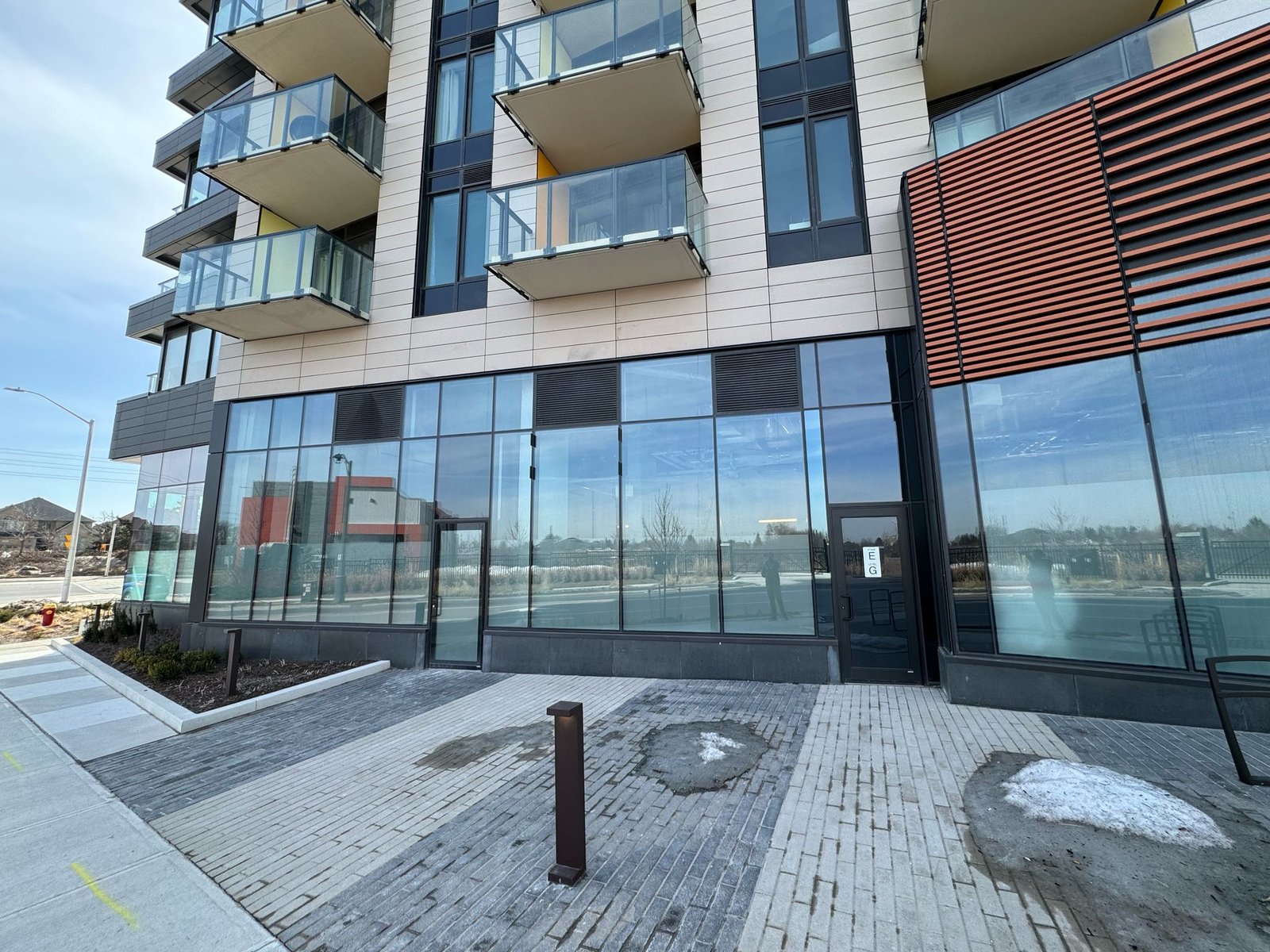
    IPS Commercial Property Appraisal Toronto
    Trusted Toronto Appraisers
    Ehsan Hassani – Lead Designated Appraiser, IPS

    Ehsan Hassani

    P.App · AACI · P.Eng · R/W-AC · MBA

    Lead Designated Appraiser
    +1 (437) 908-0098

    Our Valuation Team

    A Credentialed Toronto Valuation Team

    Commercial appraisal is not template work. It requires appraisers who understand Toronto's submarkets, the analytical expectations of lenders and CRA reviewers, and how conclusions need to be presented when a report is challenged.

    Our commercial assignments are led and reviewed by Ehsan Hassani, P.App., AACI, P.Eng., R/W-AC, MBA, whose oversight gives every report the authority of a designated AACI appraiser with engineering, business, and right-of-way valuation credentials.

    The AACI designation is the highest professional standard granted by the Appraisal Institute of Canada for commercial and income-producing property valuation — what most major lenders, courts, and financial institutions expect on complex files.

    That expertise flows through the team's working methodology. Engineering discipline informs how we assess construction, site improvements, and functional utility on industrial and special-purpose buildings. Investment analysis shapes how we approach income, cap rates, and market positioning on office, retail, and multi-residential assets. Specialized right-of-way knowledge supports expropriation and partial-taking work where standard principles fall short.

    The outcome is a report that reads credibly to the people who matter: lenders, the CRA, tribunals, opposing counsel, and sophisticated investors.

    AACI Designated P.Eng Certified R/W-AC Right-of-Way MBA · Business Valuation CRA Compliance

    Commercial Appraisal Services

    When a Commercial Appraisal Is Needed

    The intended use of the report shapes how the valuation is structured. Our commercial practice regularly supports:

    01

    Financing & Refinancing

    Banks, credit unions, and private mortgage providers typically require an AACI-designated appraisal before advancing funds on commercial real estate. Our reports are prepared to meet institutional lending standards, with supporting analysis that underwriters can move forward on without friction.

    02

    Property Tax Appeals

    When an MPAC assessment is inconsistent with true market value, a professionally prepared appraisal is often the most effective piece of evidence in an appeal. We prepare tax appeal reports to the evidentiary standard expected by the Assessment Review Board.

    03

    Capital Gains Reporting

    Sales, transfers, and changes of use can trigger significant capital gains exposure. Accountants rely on us for current or retrospective appraisals that establish an accurate adjusted cost base or fair market value as of a specific date.

    04

    Estate Planning & Settlement

    Executors, trustees, and beneficiaries routinely require fair market value appraisals of commercial holdings for probate, equitable distribution, and CRA filings.

    05

    Litigation & Legal Matters

    Shareholder disputes, partnership dissolutions, matrimonial files involving commercial assets, and expropriation cases call for appraisal work that will stand up to cross-examination. Where litigation support is required, our reports are scoped accordingly.

    06

    Investment & Acquisition Due Diligence

    Buyers, REITs, and private investors commission independent valuation to validate pricing, underwrite acquisitions, and benchmark assets against the broader market before deploying capital.

    07

    Internal Reporting & Insurance

    Owners and institutional holders rely on our appraisals for book value, annual reporting, insurance coverage, and portfolio management.

    Commercial Appraisal Methodology

    What a Commercial Appraisal Examines and Reveals

    A credible commercial appraisal is more than a number. It is a structured examination of every factor that determines what a property is actually worth — and what risks or opportunities the price tag does not show on its own. The depth of this analysis is what makes the difference between a report that simply meets a lender's checklist and one that gives the owner, investor, or lawyer a real basis for decision-making.

    Across our commercial assignments, the analysis routinely surfaces information that the owner, the listing materials, or the seller's pro forma did not make visible. The following is what our team examines on a typical income-producing or owner-occupied commercial file.

    01

    Income Stream Analysis

    For income-producing assets, the value of the property is a direct function of its income — which is exactly why this analysis cannot be taken at face value. We examine whether tenant rents reflect current market levels or below-market legacy agreements that will not survive renewal. We assess tenant credit quality and any signs of financial weakness that could lead to defaults. We map lease expiration schedules to identify rollover exposure that may not be priced into the asking number.

    Sellers typically present pro forma statements showing ideal operating conditions. Our review compares those projections against actual rent rolls, leases, and operating statements to establish what the property genuinely produces — not what it could theoretically produce under perfect conditions.

    02

    Physical Condition and Capital Needs

    Surface inspection of a commercial property tells you very little about the capital required to maintain it. We assess the remaining useful life of major building systems — roof, HVAC, elevators, electrical, mechanical — and identify deferred maintenance that will require capital expenditure within five to ten years. We evaluate whether the property meets current code requirements or faces compliance upgrades that could be expensive to absorb.

    This examination matters because capital needs that are not priced into the transaction will be absorbed by the buyer post-closing, often eroding return assumptions that looked sound on paper.

    03

    Market Positioning

    A property's value depends not only on what it is, but on where it sits in the competitive landscape. An office building in North York may look comparable to newer assets nearby — but if it lacks the amenities today's tenants expect, it competes on price rather than quality. That distinction affects rent levels, vacancy exposure, and long-term value in ways that property tour photos cannot show.

    Our analysis benchmarks the subject against the relevant peer set in the submarket and identifies where it sits in the competitive hierarchy.

    04

    Highest and Best Use

    Highest and best use analysis is one of the more technically demanding components of commercial appraisal — and one of the most consequential. A property priced for redevelopment when zoning restrictions make redevelopment unlikely is a value trap. A property undervalued because its current use does not reflect its development potential is an opportunity. We examine zoning, official plan designations, infrastructure capacity, and market demand to determine what the property's highest and best use actually is — and how that use should inform value.

    05

    Environmental and Regulatory Factors

    Environmental concerns can convert a viable acquisition into a liability of unknown size. A former gas station site, an industrial property with a long operating history, or a building with previous dry cleaning use may carry remediation exposure that ranges from manageable to material. Where environmental risk is indicated, we flag it for further specialist review.

    Regulatory factors matter equally. Heritage designations, parking minimums, setback requirements, and use restrictions can constrain redevelopment plans and affect value in ways that are not visible from the listing materials. Our analysis examines the regulatory framework that applies to the specific property.

    06

    Structural and Building System Risk

    Fresh paint and new flooring can mask issues that require six-figure remediation. Roofs nearing end of life. Foundation movement. Electrical systems that no longer meet code. HVAC equipment operating well past expected lifespan. The appraisal process identifies the building system risks that should inform either the price or the post-closing capital plan.

    07

    Comparable Sales Verification

    Not all reported sales are reliable evidence of market value. Distressed sales, sale-leaseback transactions, and portfolio deals can close at prices that do not reflect normal market conditions. Using these as comparables without adjustment produces misleading conclusions.

    Our process identifies genuinely comparable transactions, examines the circumstances of each, and adjusts for differences in size, location, condition, tenant quality, and transaction circumstances. This is what allows the conclusion to hold up when reviewed by a lender, the CRA, or opposing counsel.

    Each of these examinations contributes to the final value conclusion. Where any of them surface material findings, those findings are documented in the report — providing the owner, investor, or counsel with the information needed to negotiate, file, or argue effectively.

    Commercial Financing · Appraisal Impact

    How a Commercial Appraisal Affects Financing Terms

    For owners and investors using debt to acquire or refinance commercial real estate, the appraisal does more than satisfy a lender's documentation requirement. It directly influences the terms of the financing — and, by extension, the economics of the investment from day one.

    The Loan-to-Value Mechanic

    Lenders use Loan-to-Value (LTV) ratios to size their exposure on a commercial mortgage. The appraised value is the denominator in that calculation. A higher appraised value, holding loan size constant, produces a lower LTV — which signals lower risk to the lender. Lower risk, in turn, can translate into more favourable interest rates, higher loan amounts, or reduced equity requirements at closing.

    An appraisal that comes in below the negotiated purchase price leaves the buyer with three options: renegotiate the purchase price, bring additional equity, or walk away. None is preferable to a properly priced transaction supported by an appraisal that confirms the deal economics.

    Debt Service Coverage and Income Verification

    For income-producing assets, lenders also rely on the appraisal's income analysis to assess debt service coverage — the ratio of net operating income to annual mortgage payments. If the property's stabilized income does not exceed the lender's required coverage threshold, financing can be denied, structured at higher rates, or sized smaller than originally requested.

    Where the appraisal identifies income that is below market — for instance, in-place rents that are out of step with current submarket levels — the analysis often supports a higher stabilized value that reflects the upside, provided the assumptions are appropriately documented. This kind of analytical depth is what separates an appraisal that supports the financing application from one that simply reports a number.

    Refinancing and Cash-Out Decisions

    For owners considering refinancing or cash-out refinancing of an existing commercial property, the appraisal determines how much capital can be extracted. A property whose value has appreciated since acquisition — through market movement, repositioning, or income growth — may support significantly more debt than the original financing accommodated. Independent appraisal documents that value defensibly.

    This is one of the reasons our refinancing assignments often surface value the owner did not realize was there. Repositioning work, lease restructurings, and submarket appreciation accumulate over time, and a current appraisal captures them in a way an outdated valuation does not.

    LTV Impact

    Appraised Value Drives Loan Size

    The appraised value is the denominator in every LTV calculation — directly setting the ceiling on how much a lender will advance.

    DSCR Verification

    Income Analysis Supports Coverage

    The appraisal's income analysis underpins the debt service coverage ratio that determines whether a lender can advance the requested amount.

    Refinancing

    Current Value Unlocks Capital

    A current independent appraisal captures appreciation, repositioning, and income growth that an outdated valuation simply cannot reflect.

    The appraisal is not a formality at the back of a financing package. It is the analytical foundation that the entire financing decision rests on — and its quality directly affects the terms on offer.

    Recent GTA Assignments

    Where Independent Commercial Appraisal Has Made the Difference

    The clearest illustration of why independent commercial appraisal matters comes from the files where it has reshaped the outcome. The following are anonymized examples drawn from our recent commercial work across the GTA.

    01

    Retail · Acquisition

    Retail Plaza
    Richmond Hill

    Outcome

    Acquisition Reset

    Retail Plaza, Richmond Hill — Acquisition Reset

    A retail plaza in Richmond Hill was listed at close to $4 million, supported by the owner's calculation of recent area sales. Comprehensive appraisal placed actual market value closer to $3.2 million. The gap was explained by deferred maintenance the listing did not disclose, lease rollover exposure within 18 months, and comparable sales that the listing did not reflect.

    The buyer renegotiated successfully on the strength of the report and closed at a price that reflected the property's actual position in the submarket.

    02

    Office · HBU Analysis

    Office Building
    North York

    Outcome

    Hidden Conversion Value

    Office Building, North York — Hidden Conversion Value

    An older office building in North York was acquired in part on the strength of conversion potential surfaced through highest and best use analysis. The building's proximity to transit, surrounding residential density, and flexible internal layout made it well-suited for residential conversion once existing office leases expired.

    That exit strategy was not reflected in the asking price, but it provided substantial value protection for the buyer through any future office market softness.

    03

    Industrial · NOI Review

    Industrial Property
    Vaughan

    Outcome

    Expense Verification

    Industrial Property, Vaughan — Expense Verification

    A multi-tenant industrial building in Vaughan was presented with a pro forma showing strong net operating income. Independent review of actual operating statements identified property tax, insurance, and maintenance expenses that had been understated by approximately 30 percent.

    The corrected NOI changed the implied valuation materially, allowing the buyer to renegotiate purchase terms before closing.

    These examples are representative rather than unusual. The economic value of a properly scoped commercial appraisal — whether measured in negotiated purchase price reductions, identified hidden upside, or avoided post-closing exposure — is consistently a multiple of the appraisal fee itself.

    GTA Commercial Submarkets

    GTA Commercial Submarkets — How They Differ

    A cap rate that reads reasonably for a Class A office building in Toronto's core does not transfer directly to Scarborough, Markham, or Oakville. An industrial building near Pearson prices differently from a comparable building in the eastern GTA. The valuation reflects the submarket as it actually is — not as the broader regional headline suggests.

    Downtown Toronto

    Premium pricing reflects location scarcity and concentrated demand. The premium is real, but it only translates into investment performance when the income and appreciation potential support the higher entry costs. Prestige addresses do not guarantee returns on their own.

    North York

    A distinct office submarket from the downtown core, with its own tenant profile and absorption dynamics. Older Class B and C buildings in this submarket frequently carry conversion or repositioning value that is not immediately visible in the asking price.

    Mississauga

    Properties near major employment nodes such as Square One and along established transit corridors show strong fundamentals. Suburban locations require careful examination of traffic patterns, demographic shifts, and competitive supply — a strip plaza that thrived as the only retail option can lose ground when newer developments open nearby.

    Vaughan and Markham

    Both attract attention for their corporate office markets and population growth. Property values often reflect growth expectations, but expectations do not always materialize on the projected timelines. Our analysis grounds growth assumptions in actual absorption rates, competitive supply, and current economic fundamentals.

    Richmond Hill and Aurora

    Mid-GTA submarkets with active commercial corridors and a mixed asset profile. Industrial along the Highway 404 corridor and retail along Yonge Street and major arterials present distinct value drivers that require separate analytical treatment.

    Scarborough and Eastern Toronto

    Often offer better entry yields than central submarkets — a function of lower price points rather than weaker fundamentals. That value gap can represent opportunity, but only when supported by careful examination of tenant demand, demographic stability, and submarket trajectory.

    Oakville and Burlington

    Premium suburban submarkets where commercial values reflect both proximity to Toronto and the strength of the local employment base. Office and retail properties in these markets often carry pricing that requires income and demand verification rather than headline acceptance.

    Pickering, Ajax, and Whitby

    Eastern GTA markets that have not experienced the same appreciation as central submarkets, which can mean better initial yields. The lower price points make tenant demand and income stability the central questions for any acquisition. Our analysis examines whether submarket fundamentals justify the investment thesis the price implies.

    Local fluency is what allows our team to support conclusions with the kind of specific, current evidence reviewers — lenders, the CRA, opposing counsel — expect to see on a defensible report.

    Recent Assignments

    Properties We've Valued Across Toronto and the GTA

    From industrial corridors in Newmarket to mixed-use assets in Scarborough and Etobicoke — active in the markets where your property sits.

    1 / 2

    1 / 12

    Client Reviews

    Trusted by Property Owners, Investors & Professionals Across the GTA

    5.0 · Verified Google Reviews
    Tax Reporting · Dual Country

    IPS completed two appraisals for allocation of land and build value for my two condos in Toronto and Mississauga for tax purposes. Ehsan provided a detailed and thorough report in a short turnaround I could use to file taxes in both Canada and the US. Highly recommend!

    A

    Amna Ali

    1 week ago

    Commercial · Parkland Dedication

    I used Ehsan Hassani's services for my project in Uxbridge. Without hesitation I am happy to write this honest review. Mr. Hassani was accommodating, fast, professional, and delivered an elaborate report for the parkland dedication and cash in lieu in a short time. He understands business!

    R

    Rocco Schipano

    Local Guide · 17 reviews · 8 weeks ago

    Condo Appraisal

    Ehsan and his team were extremely communicative and efficient for a condo appraisal request. The work was done in a timely fashion and they clearly answered all my questions with great patience. Wonderful service and I would recommend!

    M

    Manjot Deol

    Local Guide · 28 reviews · 11 weeks ago

    Refinancing · Multi-Family

    Their team completed the appraisal for our family-owned multifamily residential property in Toronto for refinancing. They did a great job! The process was smooth and the team was very professional. I would recommend their services.

    A

    At Home Service

    Local Guide · 11 reviews · 18 weeks ago

    Capital Gains Tax

    IPS completed a capital gains tax appraisal for my condo in downtown Toronto. They were professional, polite, and completed the report on time. Thank you!

    B

    Behzad Namazi

    16 weeks ago

    See All Reviews on Google

    Opens Google — verified reviews from real clients

    Join Our Clients

    Ready to Work with Toronto's Most Trusted Commercial Appraisal Team?

    Whether you need a report for financing, tax, litigation, or investment — drop your details below and we'll respond with a clear scope and fee within one business day.

    Or send us a message below
    Send Your Property Details

      Your information is confidential. We respond to all enquiries within one business day.

      GTA Coverage

      Commercial Property Types We Appraise

      Commercial real estate is not one market. It is a collection of distinct asset classes, each with its own value drivers. Our commercial appraisal services in Toronto and the GTA cover:

      Office Buildings

      Single-tenant professional buildings through multi-tenant Class A, B, and C office assets across downtown Toronto, North York, Scarborough, and the suburban office nodes.

      Retail Properties

      Street-front retail, neighbourhood plazas, power centres, and standalone commercial buildings.

      Industrial & Logistics Facilities

      Warehouses, distribution centres, light manufacturing, and flex-industrial space across the GTA's industrial corridors.

      Multi-Residential Buildings

      Purpose-built apartments, walk-ups, and mid-rise rental assets valued on an income basis.

      Mixed-Use Properties

      Buildings combining retail, office, and residential components, common along Toronto's main commercial arterials.

      Development Land

      Sites with current or prospective commercial, industrial, or mixed-use zoning, including assemblies and intensification opportunities.

      Special-Purpose Properties

      Automotive, religious, recreational, and other single-use buildings that require careful analytical treatment.
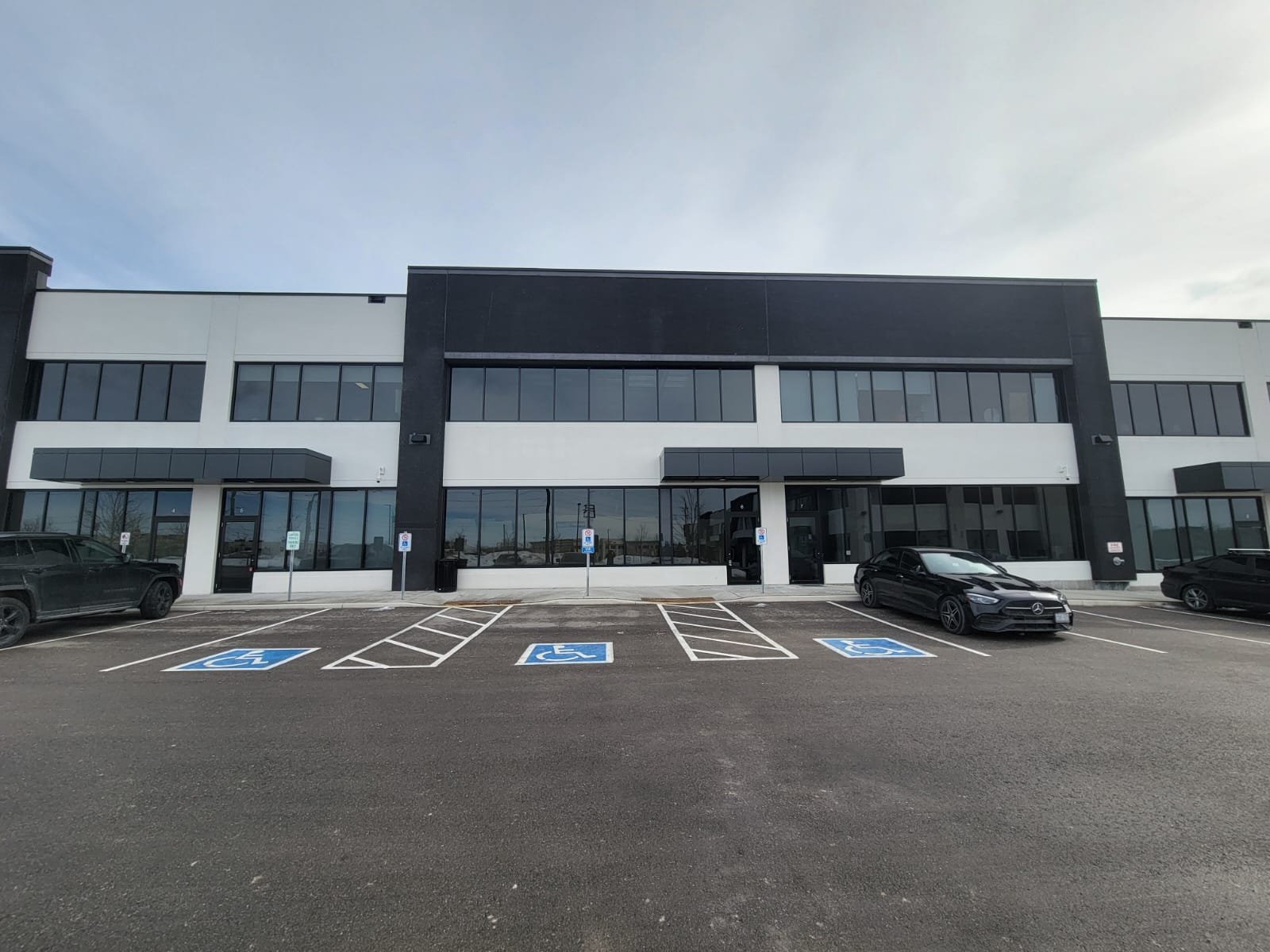
      Industrial facility at B6-465 Harry Walker Pkwy S, Newmarket
      Industrial · Newmarket B6-465 Harry Walker Pkwy S, Newmarket, ON L3Y 4W1
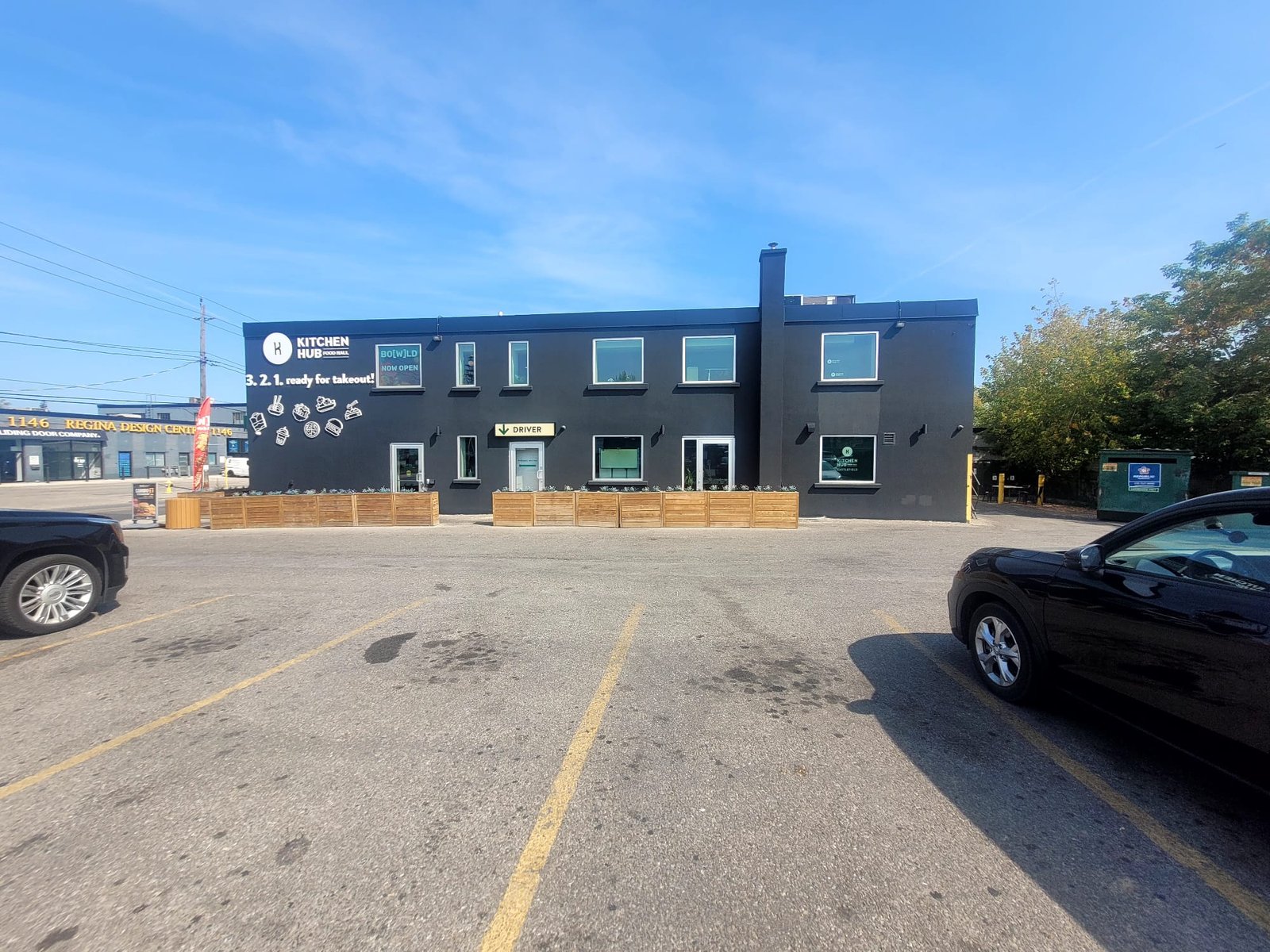
      Mixed-use commercial property at 1121 Castlefield Ave, Toronto
      Mixed-Use · Toronto 1121 Castlefield Ave, Toronto

      Our Process

      How We Handle a Commercial Appraisal

      A credible valuation follows a disciplined process. From engagement to delivery, our workflow looks like this:

      01
      Step One

      Scope & Engagement

      We confirm the property, the intended use of the report, the effective date of value, and the intended users — lender, accountant, lawyer, court, or owner. The scope of work flows directly from these inputs.

      02
      Step Two

      Property Inspection

      A physical inspection covers the site, building condition, tenant configuration, and the functional factors influencing value. For income properties, we review rent rolls, leases, and operating statements.

      03
      Step Three

      Market & Submarket Analysis

      We analyze the supply and demand fundamentals that matter for this property and this submarket: vacancy, absorption, rental rates, cap rates, and comparable transaction activity.

      04
      Step Four

      Application of Valuation Approaches

      Depending on property type and intended use, we apply one or more of the three recognized approaches to value. Each conclusion is supported by current market evidence, not assumption.

      05
      Step Five

      Reconciliation & Final Value

      The approaches are weighed against the reliability of the data behind each, and a final value opinion is formed.

      06
      Step Six

      Report Preparation

      The report is prepared under CUSPAP and Appraisal Institute of Canada standards, at the level of detail the intended use requires — whether a full narrative report for lending or litigation, or a more concise format for internal planning.

      Appraisal Methodology

      Commercial Property Valuation Methods

      Three approaches to value sit at the core of commercial appraisal practice. The appropriate method — or combination of methods — depends on property type, data quality, and intended use.

      Featured Property — 1860 Ellesmere Rd, Scarborough, M1H 2V5

      01
      Method One

      Direct Comparison Approach

      Analyzes recent sales of comparable properties and adjusts for differences in location, size, age, condition, and other value-influencing factors. Primary method for owner-occupied commercial buildings, smaller retail and industrial properties, and development land. See our resource on the direct comparison approach in commercial appraisal.
      02
      Method Two

      Income Approach

      The primary method for income-producing assets — office buildings, retail plazas, multi-residential, and leased industrial. Mirrors how investors actually price these assets. We apply direct capitalization or discounted cash flow depending on lease complexity. See our article on office appraisal using discounted cash flow.
      03
      Method Three

      Cost Approach

      Calculates replacement cost of improvements, deducts accrued depreciation, and adds land value. Carries the most weight on newer buildings, special-purpose assets, and insurance-related valuations where replacement cost is directly relevant.

      Local Market Knowledge

      Toronto and GTA Market Expertise

      Commercial valuation is a local discipline. A cap rate that reads reasonably for a Class A office building on Bay Street is not the same as the rate supported in Scarborough, Markham, or Oakville. An industrial building near Pearson prices differently from a comparable building in the eastern GTA.

      B6-465 Harry Walker Pkwy S, Newmarket – GTA Industrial Property

      Industrial · Newmarket — B6-465 Harry Walker Pkwy S, ON L3Y 4W1

      Our Coverage

      Retail on a strong Toronto main street behaves differently from a suburban plaza on a secondary arterial. We appraise regularly across Toronto's core and suburban commercial submarkets, and throughout Mississauga, Vaughan, Markham, Richmond Hill, Oakville, and Scarborough. That active presence keeps our team current on conditions as they actually are — not as they were a year ago.

      Active Submarkets
      Toronto Core
      North York
      Scarborough
      Mississauga
      Vaughan
      Markham
      Richmond Hill
      Oakville

      Office Leasing & Vacancy

      Trends and vacancy across downtown and suburban nodes.

      Industrial Cap Rate & Rental Growth

      Cap rate movement across GTA logistics corridors.

      Retail Performance

      Main streets and neighbourhood plazas across the GTA.

      Multi-Residential Pricing

      Rent fundamentals for purpose-built rental assets.

      Land Values & Intensification

      Values and potential on development sites.

      Have Questions?

      Frequently Asked Questions

      Fees vary with property complexity, intended use, required documentation, and timeline. A straightforward small commercial building carries a very different fee from a multi-tenant office tower or a development land assembly. We provide a written fee quote after reviewing the basic details of the assignment. For context, our Toronto commercial property appraisal cost breakdown explains what drives pricing.

      Most commercial files are delivered within two to four weeks of inspection, depending on property complexity, data availability, and the type of report required. Expedited timelines can often be accommodated and should be flagged at the engagement stage.

      For income-producing properties, we typically request the rent roll, current leases, operating statements for the past two to three years, property tax information, any recent environmental or building condition reports, and a site plan where available. Owner-occupied or vacant buildings require less documentation. We guide clients through the list at the outset.

      MPAC's assessed value is a mass-appraisal figure prepared for property tax purposes and tied to a legislated valuation date. It is not the same as current market value. A professional appraisal reflects current market conditions through property-specific analysis, which is why a formal report is often the foundation of a successful property tax appeal in Toronto.

      Yes. Our commercial appraisals are completed under the oversight of an AACI-designated appraiser, prepared in accordance with CUSPAP, and accepted by Canadian banks, credit unions, and private mortgage providers. Where a lender requires a specific format or engagement structure, we coordinate directly with them.

      Yes. We prepare current-date and retrospective appraisals for capital gains reporting, adjusted cost base documentation, and estate valuations. Our resource on capital gains tax and real estate appraisal outlines how these reports are structured.

      Location, income, lease quality, tenant covenant, building condition, zoning, and local supply and demand. For a deeper look, see our article on what makes a commercial property valuable in the GTA.

      Get in Touch

      Request a Commercial Property Appraisal in Toronto or the GTA

      If you need a reliable, defensible commercial property appraisal in Toronto or anywhere in the Greater Toronto Area, we would be glad to discuss the file.

      Whether the purpose is financing, a tax appeal, capital gains reporting, estate matters, litigation support, or an investment decision, our valuation team — working under the oversight of Ehsan Hassani, P.App., AACI, P.Eng., R/W-AC, MBA — will scope the assignment properly, prepare the report to the standard your intended use requires, and deliver a valuation you can stand behind.

      Contact IPS Appraisals to request a quote. Send the property details and the intended use, and we will come back with a clear scope, timeline, and fee.

      Ehsan Hassani – Lead Appraiser IPS

      Ehsan Hassani

      P.App · AACI · P.Eng · R/W-AC · MBA

      We Regularly Support

      Financing & Refinancing — Lender-ready AACI reports
      Property Tax Appeals — Assessment Review Board standard
      Capital Gains & CRA Reporting — Current & retrospective dates
      Estate Planning & Probate — Fair market value for trustees
      Litigation & Expropriation — Cross-examination ready reports
      Investment & Acquisition — Independent due diligence

      Send Us Your Property Details

      Include the property address, intended use, and any relevant timeline.
      We will respond with a clear scope and fee quote.

      Or send us a message below

        Building Location
        Address:
        30 Fulton Way Unit 8 Suite 102, Richmond Hill, ON L4B 1E6

        Innovative Property Solutions (IPS) specializes in accurate and reliable real estate appraisals for residential, commercial, and investment properties. With unmatched expertise, we help you make informed property decisions

        Enquire

          © Innovative Property Solutions (IPS). All rights reserved. Developed By Agenterhub